
Buying your first home is exciting, but the final steps before you get the keys…
Common Mistakes First-Time Buyers Make: How I Help You Avoid Them
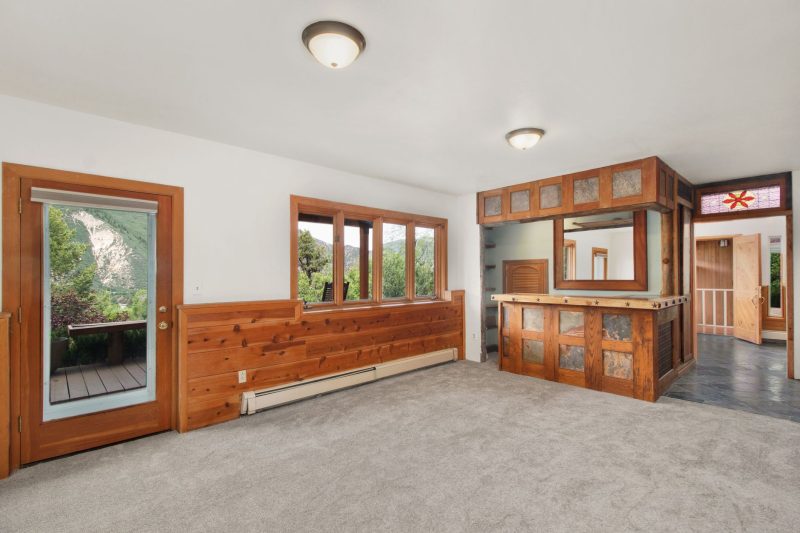
Buying your first home is exciting, but it’s easy to feel overwhelmed by all the moving parts and decisions coming your way. First-time buyers often run into avoidable mistakes, ranging from overestimating budget to skipping key steps in the mortgage process. In this article, I’ll break down the most common pitfalls and practical ways you can sidestep them—especially if you’re looking to buy in Fort Wayne or anywhere in Northeast Indiana.
Key Takeaways
- Focus: First-time buyers can avoid costly mistakes with early planning and direct guidance.
- Common Pitfalls: Overlooking total costs, not getting pre-approved, missing details in credit or documentation.
- Timeline: From pre-approval through closing, allow several weeks and stay responsive.
- Best For: Anyone new to the homebuying process who wants to make informed decisions.
Quick Answers: Common First-Time Homebuyer Questions
- Do I need to be pre-approved before house hunting? It’s recommended—pre-approval can strengthen your offers and help set clear expectations.
- Are there programs for buyers with lower credit? Yes, FHA and some conventional programs may work; guidelines vary as of 2026.
- What costs should I expect besides the down payment? You’ll see closing costs, prepaid items like taxes and insurance, and sometimes home inspection/appraisal fees.
- How long does the mortgage process take? Typically several weeks from application to closing, depending on responsiveness and documentation.
5 Common First-Time Buyer Mistakes—and How to Avoid Them
At Rich Galbreath (NMLS# 328523), I’ve seen a lot of first-time buyer scenarios over 33 years in Fort Wayne and all across Indiana. These are the five trouble spots I run into the most—along with simple practices that help keep you on track.
1. Not Getting Pre-Approved Early
One of the biggest mistakes is waiting to get pre-approved until after your dream home pops up—or worse, after making an offer. Getting pre-approved gives you a clear budget, signals to sellers you’re a serious buyer, and helps uncover any credit or document issues long before you’re under pressure.
If you’re not sure where to start, let’s get you pre-approved—this sets you up for success and lets you shop homes with real confidence.
2. Underestimating the True Cost of Buying
The down payment is just one piece. Many buyers are surprised by other homebuying costs: closing costs, insurance, property taxes, home inspection, and sometimes repairs or immediate upgrades. These expenses can add up, and planning upfront always works better than scrambling later. I’m fully transparent about each line item, so you’re clear on what’s due and when.
3. Making Credit or Spending Mistakes During the Process
It’s not unusual for excited buyers to open a new credit card for furniture, take out an auto loan, or move cash around without realizing it can disrupt the mortgage approval. Any big changes—new debt, late payments, cash deposits—can trigger questions from underwriting, slow things down, or even cause denials. Once you’re pre-approved, try to keep finances as steady as possible, and reach out before making major moves.
4. Missing Documentation or Deadlines
Your lender will need documents on a timeline: pay stubs, tax returns, bank statements, and sometimes letters to clarify items. Missing paperwork or delaying reply times causes bottlenecks. I do my best to make sure I answer any questions you might have on what’s needed and by when; I’ll keep you updated so there aren’t any surprises.
5. Not Comparing Loan Options Carefully
Not every loan program fits every situation. Some buyers jump at the first option offered — but comparing FHA versus conventional, or considering rate/term and down payment choices, can save you money over time. I review your scenario and show you multiple side-by-side choices, so you’re not going in blind.
How I Help You Stay Ahead of These Mistakes
My approach is simple: communicate clearly, set expectations, and walk through all the numbers and steps with you upfront. Whether we’re working on a purchase, refinance, or looking at alternative documentation for self-employed or investment properties, you’ll know where things stand and what’s next.
Step-by-Step Support From Start to Finish
- Initial consult to review your goals and budget — no pressure, just a conversation about what you want to accomplish
- Walk you through paperwork and the pre-approval process
- Compare relevant loan programs (conventional, FHA, others as needed)
- Outline expected costs, timelines, and what’s needed from you
- Keep you updated on status; let you know the minute anything changes or a new item pops up
I work with first-time buyers in Fort Wayne, Allen County, and across Indiana, so if you have specific needs or questions about your scenario, you’re not alone.
Tips to Keep Your Mortgage Process on Track
- Stay organized: Set aside a folder (digital or paper) for your financial documents.
- Hold off on big purchases or credit moves: Wait until after closing if possible.
- Respond quickly: If I or your agent requests something, make it a priority—this keeps the timeline steady.
- Ask questions: There really are no “silly” questions. If something is unclear, reach out so you’re comfortable before moving forward.
How to Start: Pre-Approval and Planning
If you’re thinking about buying a home in Fort Wayne, Huntertown, New Haven, or anywhere in northeast Indiana, the best next step is a pre-approval. I review your scenario, answer your questions, and we look at what makes the most sense—no guesswork.
Ready to Take the Next Step?
If you’re just getting started or you want to double-check your game plan, give me a call, text, or email. I’ll walk you through your situation, compare options side by side, and make sure you understand all the next steps. When you’re ready, let’s get you pre-approved and go in fully prepared—so you can focus on finding the right home.
Frequently Asked Questions
Do I need a perfect credit score to buy my first home?
No, you don’t need perfect credit. Many first-time buyers qualify with less-than-perfect credit—programs like FHA are often more flexible. Requirements do vary, so it’s always a good idea to review your scenario before starting the process.
What should I avoid doing while my mortgage is in process?
Avoid opening new credit accounts, making large purchases, or depositing large sums of cash without documentation. These can cause delays or require additional explanations to underwriting. Check in before doing anything major financially while you’re in the loan process.
How much money will I need upfront besides a down payment?
Besides your down payment, you’ll need to plan for closing costs, prepaid property taxes, homeowner’s insurance, and possibly some upfront inspections or appraisals. Costs can vary widely, so reviewing a full breakdown early is helpful.
Is it ever too soon to talk to a mortgage broker?
It’s never too early to start the conversation. Even if you’re planning to buy in the future, a mortgage broker can outline steps and answer questions so you know what to focus on ahead of time.
What’s the difference between pre-qualification and pre-approval?
Pre-qualification is an informal estimate based on information you provide, while pre-approval is a more thorough review of your finances and credit. Sellers and agents often prefer pre-approval because it shows you’re a serious buyer with verified financing.
This is educational and not financial advice. Loan programs and guidelines can change. Talk with a licensed mortgage professional about your specific scenario.

About the Author
Rich Galbreath
Mortgage Broker/Owner at Northstar Mortgage, Inc. · NMLS #328523
I’ve been helping borrowers purchase or refinance their homes since 1994 and have built a reputation as a trusted, professional source for residential mortgage options. Most of my clients are now repeat customers who have stayed with me for many years.
Specializes in: conventional, FHA
Licensed in: IN
Related Posts