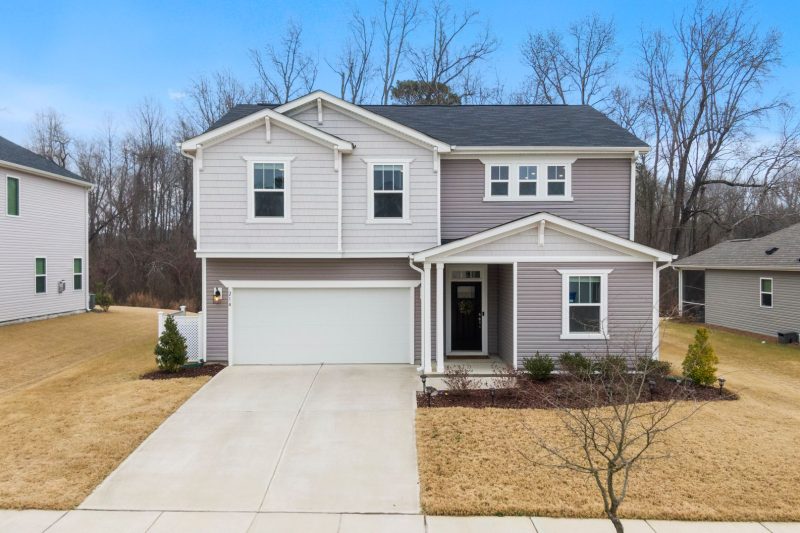
If you’ve built up equity in your Indiana home, you might be wondering what’s the…
Refinancing Your Allen County, IN Home: My Approach to Lowering Your Monthly Payment

If you’re looking at your mortgage statement and wondering if there’s a way to ease up on that monthly payment, you’re not alone. Refinancing is the process of replacing your current mortgage with a new one—usually at a better rate, different term, or both—which can result in a lower monthly payment. Below, I’ll explain how refinancing works here in Allen County, what to consider, and a bit about how I approach it so you end up with clear options for your scenario.
Key Takeaways
- Purpose: Refinancing lets you replace your current mortgage with one that could offer a lower payment or different terms.
- Requirements: Lenders generally look for adequate equity, stable income, and a qualifying credit profile.
- Timeline: From application to closing, the process often takes 3–5 weeks, depending on your situation.
- Best For: Borrowers in Fort Wayne or Allen County who want to reduce monthly expenses, change loan types, or access cash from home equity.
Quick Answers
- What does refinancing mean? It’s paying off your original loan with a new one that ideally better fits your needs or budget.
- Will refinancing lower my payment? It often does, especially if you qualify for a lower rate or extend your loan term.
- Is there a cost to refinance? Yes—costs typically include lender, title, and appraisal fees, but you’ll see those before you make a decision.
- Do I need a certain amount of equity? Most lenders require at least a small percentage of equity, but guidelines are flexible and can vary by program.
- Does refinancing reset my mortgage clock? It can if you start a new full term, but there are ways to structure your refinance to avoid adding years.
How Does Mortgage Refinancing Work?
When you refinance, your new mortgage pays off the existing one, and you start making payments on the new loan. Depending on your goals—with conventional or FHA programs—it could be to lower your interest rate, adjust your loan term, remove mortgage insurance, or access equity (commonly called a cash-out refinance). I handle this throughout Allen County and all of northeast Indiana, and it isn’t much different than the original mortgage process except you already own the home—so it can go a little smoother.
Why Consider Refinancing?
There are several solid reasons to refinance. The most common I see in Fort Wayne and surrounding areas are:
- Lowering your monthly payment (either by getting a better rate or extending your remaining term)
- Paying off your loan faster by choosing a shorter term (if that’s a fit for your budget)
- Switching from an FHA to a conventional loan to drop mortgage insurance
- Accessing home equity for projects, major expenses, or debt consolidation
Or sometimes it’s a combination—maybe you want to lower your monthly payment and pull out some cash for home improvements. That’s fine—I can run scenarios for both, so you can compare side-by-side.
What Do Lenders Look For on a Refinance?
Most lenders in Indiana are going to pay attention to three main things: credit, income, and equity. Here’s a bit on each:
- Credit: Generally, a stronger credit profile opens more options, but I do see folks qualify with less-than-perfect credit—especially on FHA programs. It just depends on current lending rules.
- Income and Job Stability: This helps prove you can handle the new payment. If you’re self-employed, we have specific programs (like bank statement loans) to help document income.
- Equity: Your home’s value minus what you owe. Most programs require some minimum equity, but that threshold varies and I’m happy to look this up for you if you’re not sure.
Common Types of Refinances
I work with several refinance options, but these are the ones I see most often here at Rich Galbreath (NMLS# 328523):
- Rate & Term Refinance: Straightforward—replace your loan with one that likely has a lower rate, shorter/longer term, or both.
- Cash-Out Refinance: Access a portion of your home’s equity as cash, with the new loan balance rolling your payoff plus the amount you want to take out.
- FHA or Conventional Streamline Refinance: If you already have an FHA or conventional loan, sometimes you can skip parts of the process (like a full appraisal) and refinance with less hassle.
It’s worth pointing out that investment property refinancing works a bit differently—guidelines are usually stricter, and rates may be a little higher. I’m fully transparent about this up front so you know exactly what to expect.
Refinance Costs: What Should You Budget For?
Every refinance comes with closing costs—these typically include lender fees, appraisal, title services, and some third-party items. In some cases, you can roll the fees into your new mortgage, keeping more money in your pocket up front. I’ll walk you through all costs before you ever sign so there are no surprises. Rates and fees change often, so we’ll use current numbers for your situation.
Timeline: How Long Does It Take?
The refinance process usually takes about 3–5 weeks from application to closing—but this depends on how quickly documents come in, how busy appraisers are, and a few other factors. We’ll talk about your timing goals before you commit to anything.
My Approach: How I Handle Refinances in Fort Wayne & Allen County
Honestly, my process is practical and maybe a bit old-fashioned—I listen to what you want to change about your current loan, do the math on every scenario that actually solves your problem, and send you options you can compare side-by-side. I’ll make sure I answer any questions you might have up front and as we go. If getting pre-approved or locking a rate makes sense, I’ll let you know that too—sometimes it saves time down the road, especially if you’re considering a purchase or cash-out refinance as well.
Steps to Get Started Refinancing
- Review your existing mortgage. Know your balance, rate, and payment. I’m happy to walk through your statement together if you want a second set of eyes.
- Contact me for a no-pressure scenario review. We’ll see if refinancing is even worth pursuing given current market rates, your equity, and your goals.
- Select your loan option. Once we map out the choices, you decide if you want to move forward. I do all the paperwork—no extra steps or guesswork.
- Submit your refinance application. Standard stuff: paystubs, W-2s, mortgage statement, and a few authorizations.
- Go through the approval/closing process. Appraisal if needed, title, and then closing (either in person or sometimes remotely in Indiana).
When Does Refinancing Not Make Sense?
It comes down to the math. If costs to refinance outweigh your potential monthly savings, or you know you’ll move in a year or two, it’s usually better to wait. I’ll show you the break-even number up front so you make an informed call. Also, if your credit or job situation recently changed, let’s talk through whether now’s the right time—or if waiting would open up better programs down the road.
Have Questions or Ready to See Numbers?
I serve clients throughout Allen County, Fort Wayne, and across Indiana, and I’ll always walk through options based on what works for your actual scenario—not a one-size-fits-all answer. If you’re curious about lowering your payment or wondering if refinance is even worth it, give me a call, text, or email, and let’s get you pre-approved for the option that makes sense. No pressure—just information, fully transparent numbers, and advice based on 33 years helping neighbors right here at Northstar Mortgage, Inc.
Frequently Asked Questions
How much equity do I need to refinance?
Most lenders want to see that you have some equity in your home, but the amount required varies by loan type and your credit profile. We’ll check current guidelines and your home value to see what fits your situation.
Will refinancing always lower my monthly payment?
Not always. It depends on your new rate, term, and loan costs. Sometimes refinancing to a lower rate or longer term reduces your payment, but we’ll look at other factors like fees and your long-term goals before you decide.
Are there upfront costs I should expect?
Yes, refinancing comes with closing costs such as lender, title, and appraisal fees. Sometimes you can roll these into your new loan if you’d rather not pay out of pocket. I’ll always break down exact figures for you before you commit.
How long does a refinance take in Allen County or Fort Wayne?
Usually, expect about 3–5 weeks from application to closing if documentation and appraisal move quickly. If you’re on a tight timeline, let me know and we’ll talk through options to speed things up if possible.
Is refinancing worth it if I plan to move soon?
Maybe not. If you plan to move or sell your home in the next year or two, the closing costs might not be recouped through lower payments. I’ll run a break-even analysis so you can see for yourself before making a decision.
This is educational and not financial advice. Loan programs and guidelines can change. Talk with a licensed mortgage professional about your specific scenario.

About the Author
Rich Galbreath
Mortgage Broker/Owner at Northstar Mortgage, Inc. · NMLS #328523
I’ve been helping borrowers purchase or refinance their homes since 1994 and have built a reputation as a trusted, professional source for residential mortgage options. Most of my clients are now repeat customers who have stayed with me for many years.
Specializes in: conventional, FHA
Licensed in: IN
Related Posts