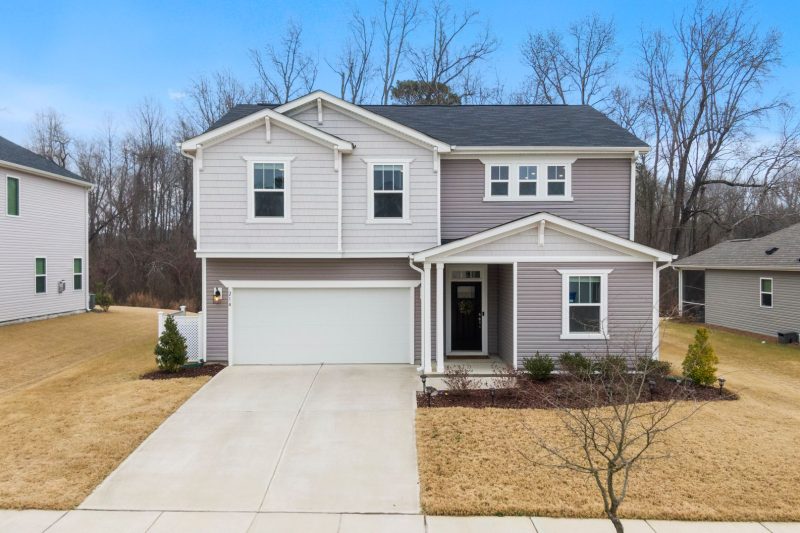
If you’ve built up equity in your Indiana home, you might be wondering what’s the…
Refinancing Options: Is a Cash-Out Refinance Right for You?

Facing high-interest debt or needing funds for home improvements can leave homeowners wondering how to leverage their home’s equity. A cash-out refinance is a loan option where you replace your current mortgage with a new, larger one, receiving the difference in cash to use for other needs. In this article, I’ll explain how cash-out refinances work, the pros and cons, and how to decide if this strategy fits your financial goals in Indiana.
Key Takeaways
- Purpose: Access a portion of your home’s equity as cash for needs like remodeling, debt consolidation, or major expenses.
- Eligibility: Typically requires good credit, proof of income, and a certain amount of equity built up in your home.
- Process Timeline: Usually 3–6 weeks from application to closing, but timing can vary based on documentation and appraisal.
- Best For: Borrowers who have substantial home equity and need a significant sum for major expenses.
Quick Answers
- What is a cash-out refinance? It replaces your existing mortgage with a bigger loan, giving you the difference in cash.
- How much cash can I get? The amount depends on your current equity, credit, and lender guidelines—often up to around 80% of your home’s value.
- Does this impact my interest rate? You’ll get a new rate based on current market conditions, which could be higher or lower than your existing loan.
- Are there closing costs? Yes, closing costs apply and vary based on loan size, lender, and program type.
- Is a cash-out refinance taxable? Generally, proceeds from a cash-out refinance are not considered taxable income, but consult a tax advisor for your situation.
What Is a Cash-Out Refinance?
A cash-out refinance allows you to borrow more than you currently owe on your home and receive the extra amount as cash at closing. For example, if you owe $150,000 on your home and refinance with a new $200,000 loan, you will pay off the old mortgage and receive $50,000 (minus closing costs) to use however you choose. This new loan replaces your previous mortgage, with new terms, rate, and payments.
This option is popular for Indiana homeowners looking to fund home renovations, pay medical bills, consolidate high-interest debt, cover college expenses, or boost savings for emergencies.
How Does a Cash-Out Refinance Work?
Step-by-Step Overview
- Evaluate Your Equity: Your home must be worth more than you currently owe. Lenders often limit the new loan to about 80% of your appraised home value, less your current mortgage balance.
- Apply With a Lender: Submit a refinance application with income, assets, debts, and property information.
- Underwriting and Appraisal: The lender reviews your qualifications and usually orders an appraisal to confirm your home’s value.
- Loan Approval: If you meet guidelines, your loan is approved and you’ll review the closing disclosure, covering new payment, rate, and closing costs.
- Closing: At closing, your old loan is paid off, and you receive the agreed cash amount, typically by wire or check.
Remember, loan amount limits, minimum credit scores, and cash-out rules may vary by lender, loan program (conventional, FHA, VA), and changes in 2026 guidelines. Always review current program details with a licensed broker.
Common Reasons to Choose a Cash-Out Refinance
- Home Improvements: Fund repairs, upgrades, or additions to boost your home’s value.
- Debt Consolidation: Pay off high-interest credit cards, auto loans, or medical bills with lower-rate mortgage funds.
- Major Expenses: Help cover college tuition, business start-up costs, or other significant needs.
- Emergency Cash Reserve: Access funds for unexpected financial situations.
Pros and Cons of Cash-Out Refinancing
| Pros | Cons |
|---|---|
| Access to large sums at current mortgage rates | Increases your mortgage balance and possibly monthly payment |
| May lower your rate compared to other debt (if current rates are favorable) | Closing costs apply, reducing cash-in-hand |
| Single monthly payment simplifies finances | Risk of losing home if unable to repay (secured by the property) |
| Funds can be used for any purpose | May reset your loan term to 30 years, increasing total interest costs |
Is a Cash-Out Refinance Right for You?
Consider the following questions to decide whether a cash-out refinance aligns with your goals:
- Do you have at least 20% equity in your home?
- Are you comfortable taking on a larger mortgage payment?
- Are current mortgage rates favorable compared to your existing loan?
- Will the funds help you achieve important long-term financial stability?
- Do you plan to stay in your home long enough to justify the closing costs?
For Indiana homeowners, including those in Allen County communities like Fort Wayne and New Haven, these questions can clarify whether a cash-out refinance fits your needs.
Alternatives to Cash-Out Refinancing
- Home Equity Loan: A separate loan, often with a fixed rate, that does not replace your existing mortgage.
- HELOC (Home Equity Line of Credit): Works like a credit card secured by your home’s value, with a variable rate and flexible withdrawals.
- Personal Loan: Unsecured, but often carries a much higher interest rate and lower borrowing limits.
Each option has different terms, risks, and benefits. Comparing them against cash-out refinancing can ensure you choose the financing solution that works best for your circumstances.
Qualification Guidelines: What Lenders Look For
Common Requirements
- Equity: Sufficient home equity (usually at least 20%) remaining after the cash-out.
- Credit Score: Most programs require a good credit profile; the exact minimum varies.
- Debt-to-Income Ratio: Your total monthly debt payments must fit comfortably within lender guidelines.
- Stable Income: Documented employment and sufficient income are key for approval.
- Property Appraisal: New appraised value determines your borrowing limit.
Guidelines can differ depending on whether you use conventional, FHA, or VA programs, and may change over time. For VA loans, only eligible veterans and surviving spouses can use the VA cash-out option. FHA has specific insurance and limit rules. Ask about programs that fit your unique scenario.
Cash-Out Refinance vs. Rate-and-Term Refinance
| Cash-Out Refinance | Rate-and-Term Refinance |
|---|---|
| Larger loan replaces old mortgage; receive cash difference | Adjusts interest rate and/or term; no cash back beyond incidental excess funds |
| Best for accessing equity for immediate needs | Best for lowering rate, shortening or extending term, or switching loan type |
| Usually stricter requirements and higher rates than rate-and-term | Often offers lowest available refinance rates |
Next Steps: How to Explore Your Cash-Out Refinance Options
Cash-out refinancing can be a powerful tool—if it fits your needs and financial plans. Start by getting a current valuation of your home, reviewing your mortgage statement, and gathering documentation of your income, assets, and debts. Then, connect with a local broker who can walk you through personalized options and explain what you likely qualify for, based on the latest guidelines.
If you’re in Allen County, Fort Wayne, or anywhere in Indiana, I invite you to call, text, or email me to review your scenario, compare options, and map out next steps—including pre-approval planning if it’s time to move forward. I’m here to help you make a confident, informed decision about your home’s equity.
Frequently Asked Questions
Does a cash-out refinance affect my credit score?
A cash-out refinance results in a hard inquiry on your credit and may temporarily lower your score. Over time, making on-time payments can help your credit recover or improve.
Can I do a cash-out refinance on an investment property?
Yes, cash-out refinances may be available for investment properties, but requirements are often stricter, rates may be higher, and maximum cash-out limits are lower compared to primary residences.
What are the risks of a cash-out refinance?
The biggest risk is increasing your mortgage balance and payment, which could strain your finances or endanger your home in a hardship. It's important to carefully consider your ability to repay and avoid using cash-out funds for nonessential expenses.
Is mortgage insurance required with a cash-out refinance?
Mortgage insurance might apply on some loans when your new balance exceeds 80% of your home’s value, especially for FHA or conventional loans. VA cash-out options have their own funding fee rules. Always verify with your loan officer.
How long does it take to get funds from a cash-out refinance?
The process typically takes 3–6 weeks. After closing, there’s a three-business-day waiting period for primary residences before funds are released.
This is educational and not financial advice. Loan programs and guidelines can change. Talk with a licensed mortgage professional about your specific scenario.

About the Author
Rich Galbreath
Mortgage Broker/Owner at Northstar Mortgage, Inc. · NMLS #328523
I’ve been helping borrowers purchase or refinance their homes since 1994 and have built a reputation as a trusted, professional source for residential mortgage options. Most of my clients are now repeat customers who have stayed with me for many years.
Specializes in: conventional, FHA
Licensed in: IN
Related Posts